

Where mist-covered hills, tea plantations, and slower mornings await.
There is a particular kind of traveller who has grown tired of the obvious. They have done Shimla in peak season, navigated Ooty’s weekend crowds, and returned home wondering if the hills ever truly deliver on their promise. For this traveller, Coonoor is the answer: quieter, greener, and possessed of a beauty that does not announce itself loudly. Perched in the Nilgiris at around 1,800 metres above sea level, Coonoor is one of Tamil Nadu’s most rewarding summer destinations, and increasingly, one of India’s most sought-after addresses for discerning second-home buyers.
A life guided by the climate
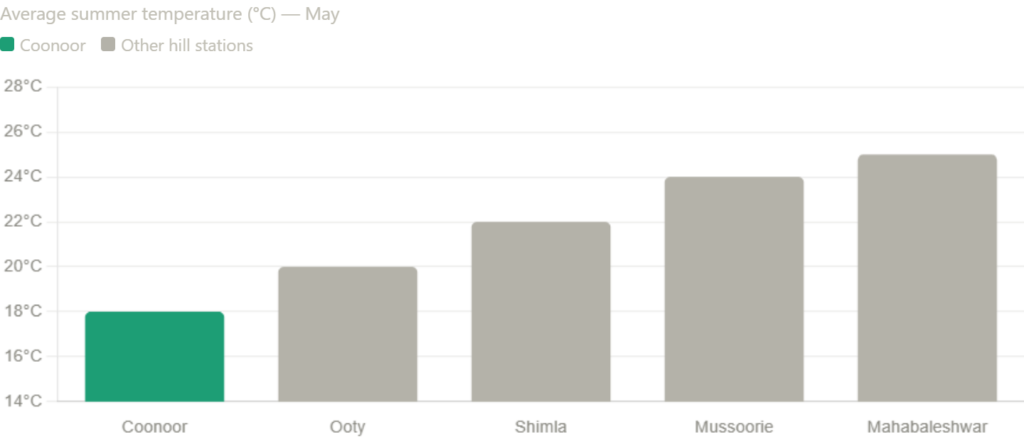
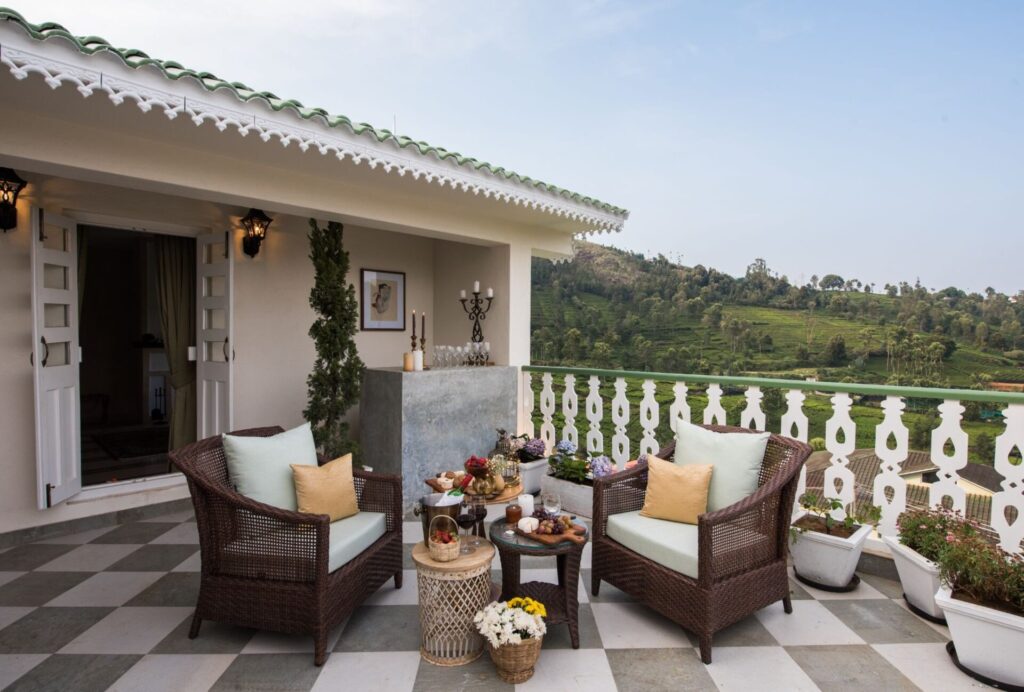
What sets Coonoor apart from most hill stations is not just altitude, it is atmosphere. Summers here average between 15°C and 25°C, creating conditions that are genuinely rare in the Indian subcontinent between April and June. While the plains bake and even more popular hill stations begin to feel crowded and commercialised, Coonoor maintains a quiet steadiness. Misty mornings give way to clear afternoons, and evenings settle into a cool stillness that is increasingly difficult to find anywhere near a major city.
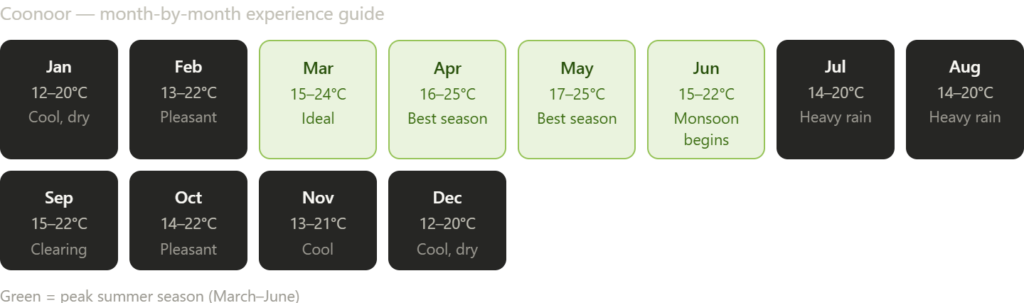
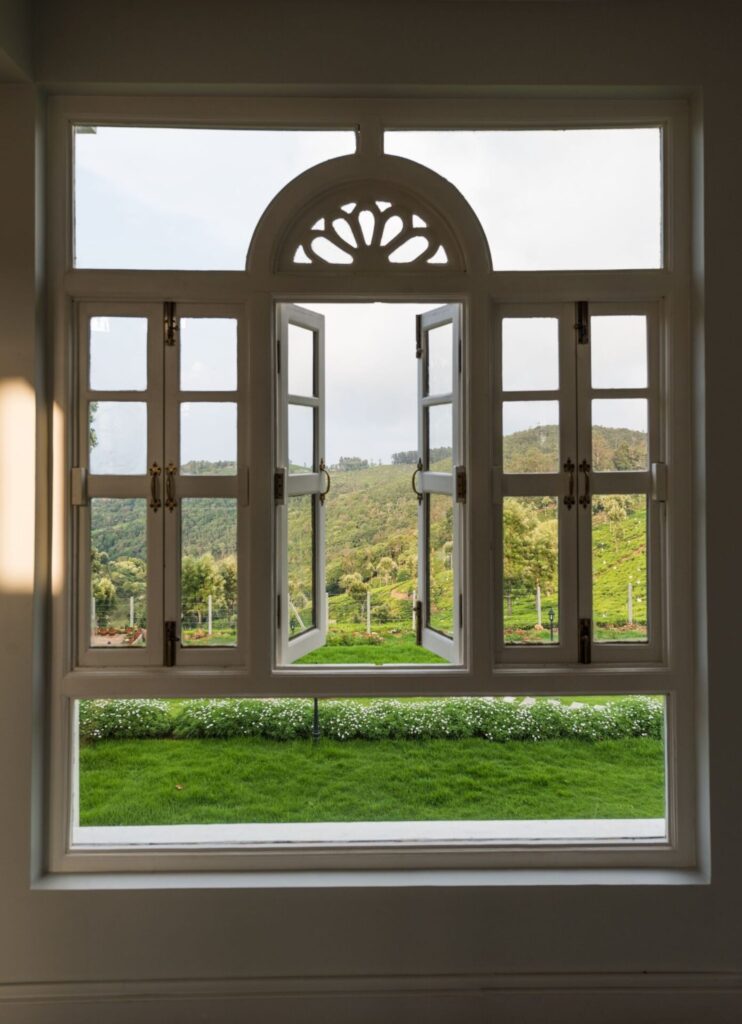
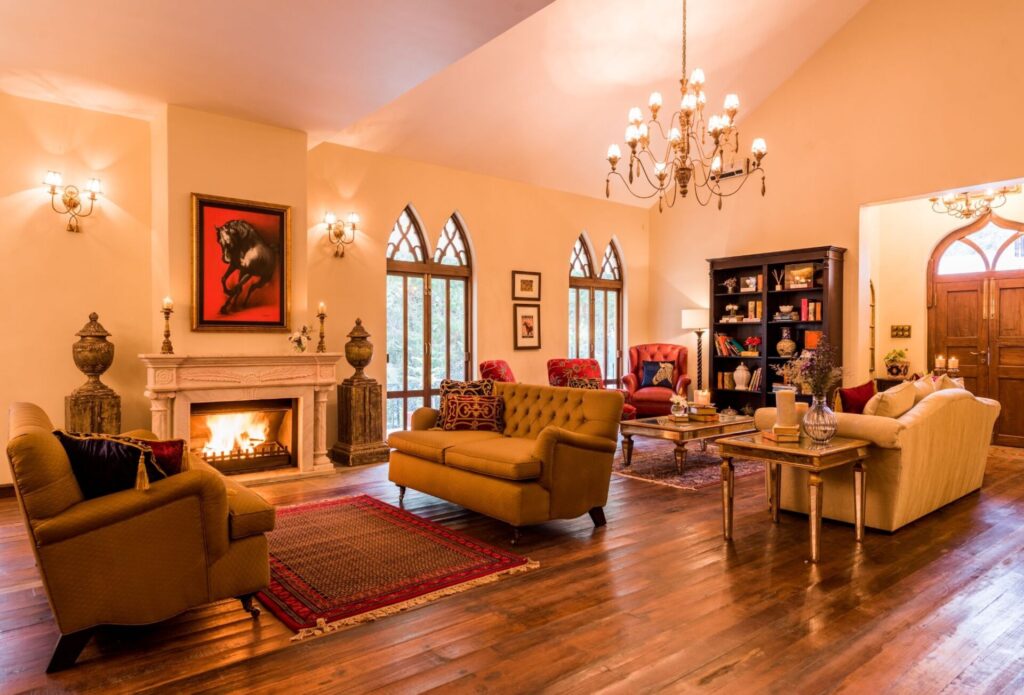
This is not incidental to the Isprava philosophy. When Isprava designs and builds homes in locations like Coonoor, the climate is as much a part of the brief as the architecture. A home that breathes well in Coonoor’s weather: open verandahs, large windows framing plantation views, natural materials that respond to the cool air. This is a home designed around an experience, not just a footprint.
A landscape worth exploring
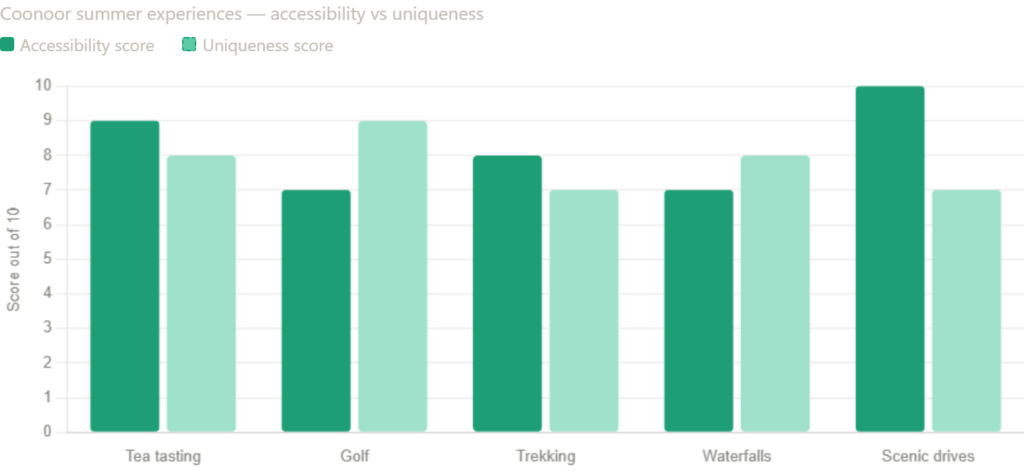
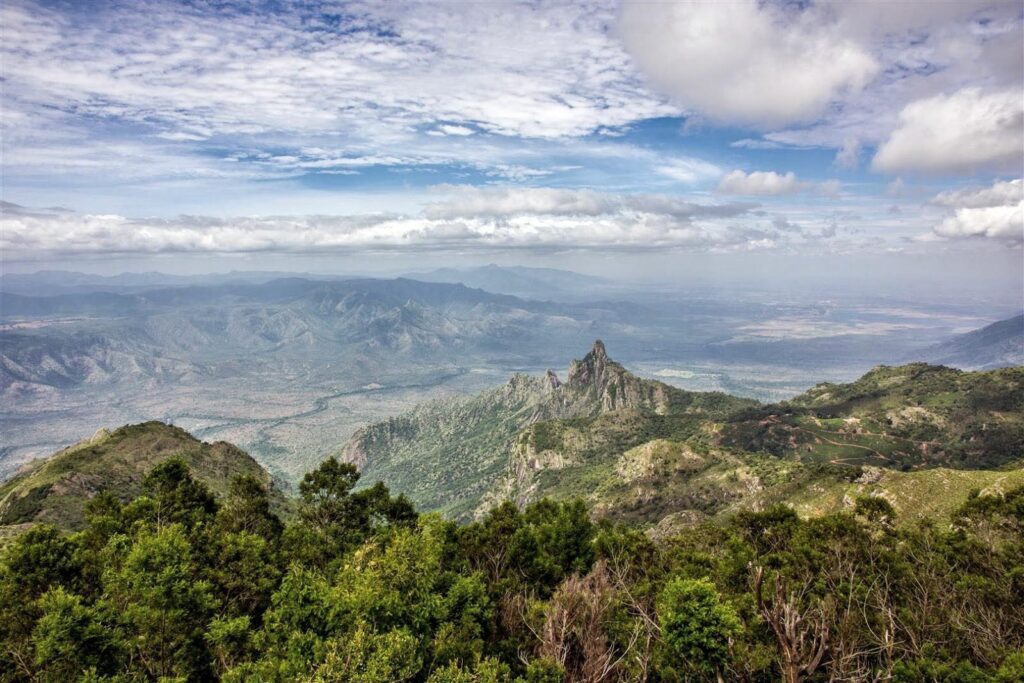
Coonoor’s natural attractions are not the manufactured kind. They are the result of geography, a landscape shaped by the Western Ghats, one of the world’s eight biodiversity hotspots. Catherine Falls, one of the tallest waterfalls in Tamil Nadu, is a short drive from the town centre. Lamb’s Rock offers a vantage point across the valley that changes entirely with the light. Lady Canning’s Seat and the Hidden Valley reward those willing to walk a little further off the well-trodden path.

What makes Coonoor particularly compelling as a summer travel destination is that it opens up in these months. Trekking routes become accessible, mornings are clear enough for long drives through the tea estates, and the town itself settles into a rhythm that feels genuinely unhurried. Upper Coonoor, away from the commercial activity of the lower town, is where this calm is most tangible, and where the most thoughtfully designed private homes tend to sit.
The Art of Slow Living
Two experiences define a summer in Coonoor more than any others: tea and golf. The Nilgiris is one of India’s most productive tea-growing regions, and Coonoor sits at its heart. Walking through the tea fields at Highfield or one of the smaller estates on a clear morning is less a tourist activity and more a recalibration. A reminder of what it feels like to move slowly through a beautiful landscape.
Golf, meanwhile, has a long and distinguished history in the Nilgiris. The courses here were established during the British era, and several remain in excellent condition. Playing a round at altitude, in cool morning air, with the hills rolling away in every direction, is the kind of experience that is genuinely difficult to replicate anywhere else in the country.
For those staying in an Isprava home near Coonoor, these are not itinerary items, they become a natural part of the rhythm of a week. The homes are designed for exactly this kind of extended stay: spacious enough for families, positioned close to the experiences that make the location worthwhile, and managed well enough that the practicalities of ownership never intrude on the pleasure of being there.
What’s drawing today’s buyers to Coonoor
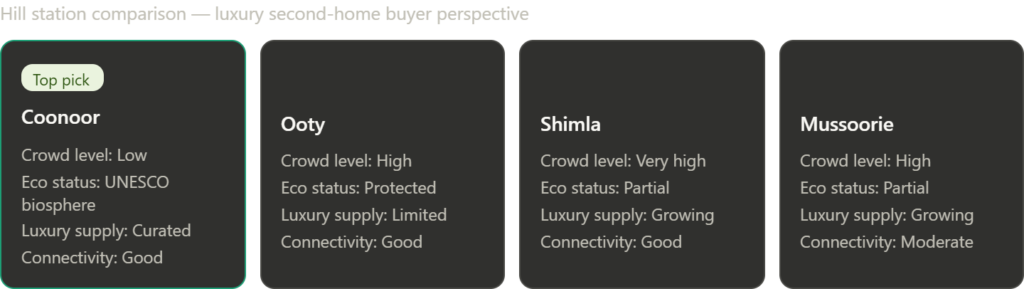
The hill station real estate market in India has shifted noticeably over the last few years. The post-pandemic redefinition of how affluent Indians think about space and where they want to spend extended time has pushed demand toward locations that offer both natural quality and infrastructure reliability. Coonoor fits this profile exceptionally well.
It is smaller and quieter than Ooty, which means it has largely avoided the over-commercialisation that has diluted the appeal of more popular hill stations. Access has improved with better road connectivity from Coimbatore. And the Nilgiris, as a UNESCO-recognised biosphere reserve, carries a level of ecological protection that gives long-term landowners confidence.
For Isprava, Coonoor represents the kind of location the brand was built for: beautiful enough to justify the investment, practical enough to be genuinely liveable, and rare enough that ownership here carries real meaning. The homes Isprava builds in the region are not holiday cottages, they are considered residences, designed for people who take their leisure seriously.
A summer well spent
Coonoor does not need to be oversold. Its case rests on the simple and increasingly rare combination of good weather, genuine natural beauty, and a pace of life that most Indian cities have long since abandoned. In summer, when the rest of the country retreats indoors, Coonoor opens up; its trails, its tea estates, its golf courses, its viewpoints.
For those considering a second home in the hills, the question is rarely whether Coonoor is worth it. It is whether the home itself is worth it. That is where Isprava’s proposition becomes relevant. A home that is well-designed, well-managed, and positioned in the right part of the hills does not just give you somewhere to stay, it gives you a reason to come back, season after season, and a quality of experience that a hotel stay simply cannot replicate.
Summer in Coonoor is not a trend. It is a considered choice made by people who have stopped settling for the obvious.