

Compare land costs, conversion approvals, construction timelines and resale value to decide whether to build or buy a finished villa.
Buying a second home in Goa begins with a question: Would you rather build a home around your vision or buy one that is ready to move on? The choice between a plot and a finished villa in Goa goes beyond the purchase price.
Building gives you greater control over the built and structure of the architecture, layout and materials but it also involves land due diligence, permissions, construction management and decisions that can continue for months. A ready villa offers a more straightforward route to ownership with a clearer view of the finished home it costs and the work involved in maintaining it.
For second-home buyers from Mumbai, Delhi and Bengaluru, NRIs and property investors, the right decision depends on time, budget and how closely you want to be involved.
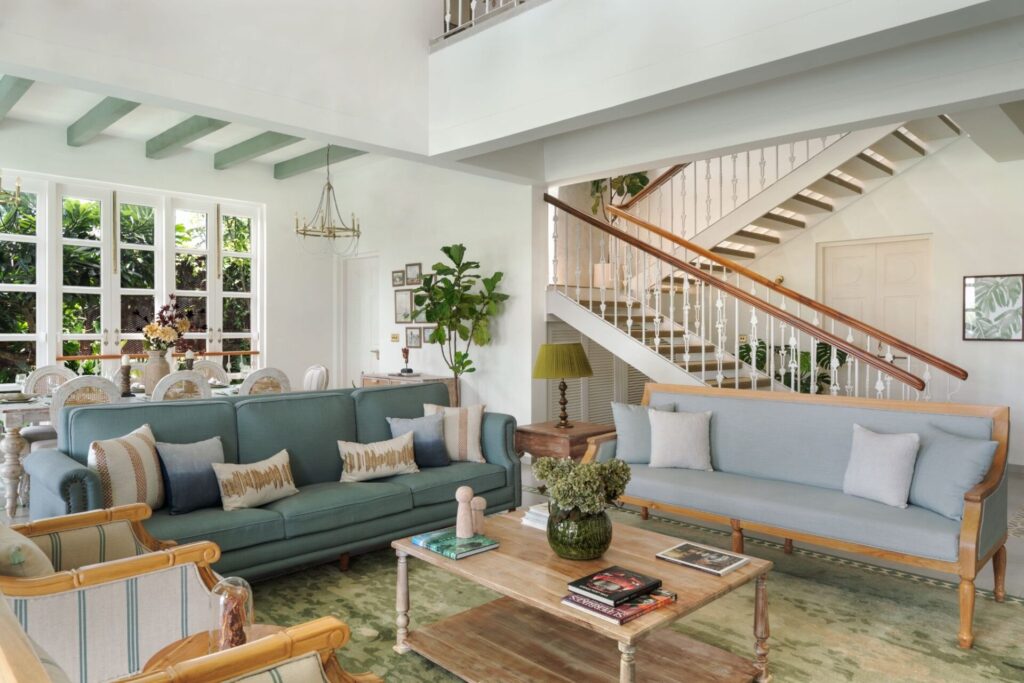
This guide to plot vs villa in Goa compares the costs, approvals, timelines, design flexibility, rental potential and resale considerations of both options, helping you decide which approach suits your plans.
Plot vs Villa in Goa at a Glance
| Factor | Buying a Plot and Building | Buying a Finished Villa |
| Upfront cost | Land purchase and initial expenses | Agreed purchase price |
| Time to move in | Longer; depends on approvals and construction | Once purchase formalities are complete |
| Legal and approval effort | Buyer coordinates multiple checks and permissions | Fewer construction-related responsibilities |
| Design freedom | Extensive | Depends on the property and customisation options |
| Cost certainty | Lower until construction is complete | Greater visibility of total purchase cost |
| Financing | Depends on land and construction eligibility | Depends on property and lender eligibility |
| Rental start date | After construction and required formalities | Potentially sooner, once legally ready to rent |
| Effort for NRIs | More remote coordination | Generally simpler, especially with management support |
None of the options is automatically better, building may help those who value creative control and oversee the process while a finished home may be more appropriate for those who wish to prioritize convenience, predictability and time.
Buying Plot in Goa: What it Entails
Buying a land gives you the opportunity to choose your preferred location, plot size, orientation and architectural approach. You can work with an architect to plan the home around the landscape, natural light and out-door spaces the way you intend to use it. However, a plot that looks suitable for construction may not necessarily be legally or practically buildable.
Before purchasing land, examine the following:
- Zoning and land use: Check the applicable Goa Regional Plan and the property’s approved land-use classification. Settlement, orchard and agricultural classifications can have different implications for development. Do not assume that a parcel can be built on simply because neighbouring properties have homes.
- Land conversion: Where required, land-use conversion or a sanad must be obtained through the applicable process. Confirm the current classification, permissions and conversion requirements with the competent authority before committing to the purchase.
- Coastal restrictions: Properties within or near Coastal Regulation Zone (CRZ) areas may be subject to additional restrictions. Coastal proximity alone does not establish whether construction is permitted; the applicable notification, mapped zone and authorised clearances matter.
- Building limits: Floor Area Ratio (FAR), Floor Space Index (FSI), setbacks, access requirements and other development controls determine what can be built. Verify the applicable rules for the specific parcel.
- Title and ownership: Older properties may involve historic Portuguese-era documents, inheritance records or several family co-owners. Have a property lawyer examine the chain of title, encumbrances, survey boundaries and mutation records.
Mutation records help establish the recorded ownership and revenue position, but they should not be treated as conclusive evidence of title on their own. A careful review before purchase can prevent expensive surprises later. Isprava’s luxury real estate buyer’s checklist offers additional considerations for evaluating a high-value property.
The Build Process, Step by Step
Building a villa involves more than purchasing land and appointing an architect. The process typically includes:
- Land search: Identify a location and plot that suits your lifestyle, access requirements and budget.
- Title due diligence: Verify ownership, boundaries, encumbrances, land records and the property’s legal status.
- Purchase and registration: Complete the transaction and register the conveyance as applicable.
- Land-use and zoning checks: Establish whether the intended development is permissible and whether conversion or other clearances are necessary.
- Architecture and design: Develop the plans, specifications, structural design and services layout.
- Planning and local approvals: Obtain the permissions required from the relevant planning authority, local body and other departments, as applicable.
- Construction: Coordinate contractors, materials, structural work, finishing and quality checks.
- Completion and occupancy: Secure the completion or occupancy documentation required for the property.
- Utility connections: Arrange electricity, water, drainage and other essential services.
- Furnishing and handover: Complete interiors, landscaping, equipment installation and final inspections before occupation.
The sequence and permissions vary with the location, land classification and proposed development. Confirm the applicable requirements with the Goa Town and Country Planning Department, relevant local authority and a qualified local professional before proceeding.
Cost of Building a House in Goa: The Hidden Expenses
The cost of building a house in Goa includes more than the land price and the contractor’s quotation. The final budget depends on the plot, design complexity, construction specifications, local conditions and the level of finish.
Allow for expenses such as:
- Professional fees and approvals: Architect, structural engineer, legal adviser, surveyor, soil testing and applicable statutory charges.
- Site preparation: Clearing, levelling, retaining structures, drainage and boundary walls, depending on the plot.
- Utilities: Water supply, borewell permissions where applicable, tanker arrangements, electricity connections, backup power and wastewater management.
- Outdoor spaces: Landscaping, pathways, outdoor lighting, a swimming pool and other amenities.
- Interiors and furnishing: Kitchens, wardrobes, lighting, furniture, appliances, curtains and decorative finishes.
- Construction changes: Material price fluctuations, design revisions, additional work and unexpected site conditions.
A lower initial construction cost may not immediately translate into a final lower cost if essential work or furnishing has been excluded. Compare quotations using the same specifications and keep a contingency allowance rather than committing your entire budget in the first go.
You also have to keep in consideration Goa’s monsoon season, generally spanning from June to September. It can also affect construction timelines. Rain may disrupt excavation, external work, deliveries and certain finishing activities, depending on site conditions and the construction stage.
Also to be considered the cost of your time, if you happen to live in a different city you may need to make multiple site visits, review progress remotely, resolve contractor issues and check workmanship at key stages. A dependable project team helps, but it does not eliminate the need for clear communication and oversight.
For a more complete view of the expenses that continue after purchase, read Isprava’s guide to the real cost of villa ownership in Goa.
Buying a Finished Villa in Goa: What You Get
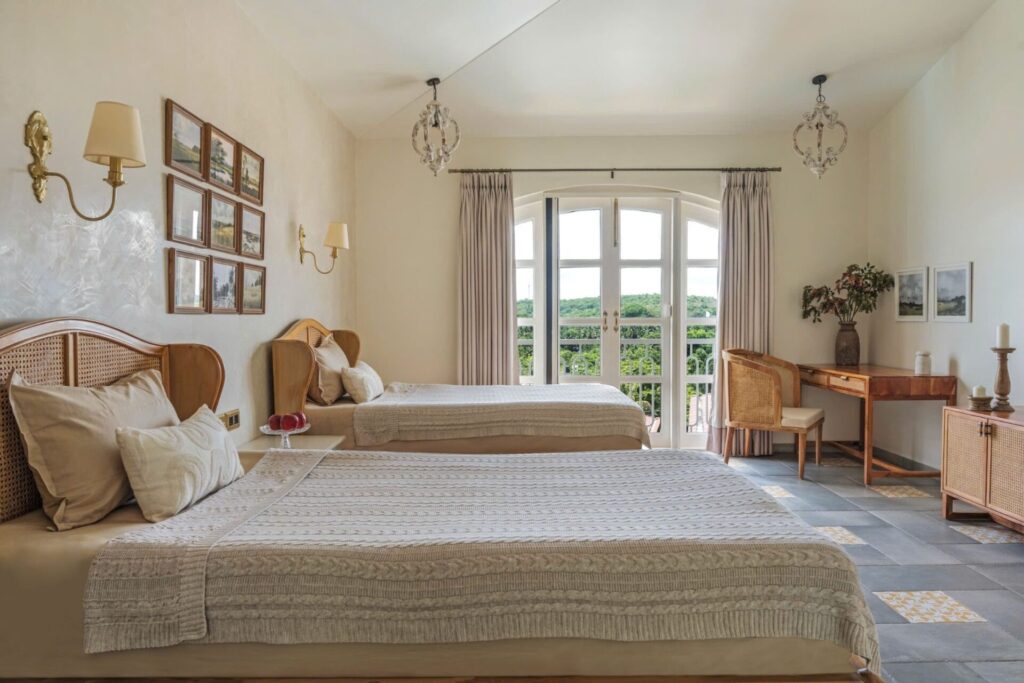
A finished home in Goa offers a different kind of freedom: the ability to see the home before you buy it. You can assess the layout, natural light, materials, finishes, landscaping and overall setting rather than relying on drawings and samples. You also have a clearer understanding of the property’s purchase price and what is included, making it easier to plan for furnishing, maintenance and ongoing ownership.
Depending on the property’s status and applicable requirements, a completed home can also offer a quicker route to occupation or holiday rentals. Before assuming it is ready for either, confirm that the necessary completion and occupancy documents, utility connections and rental related permissions are in place.
Buying from an established developer can simplify the process by providing organised documentation and clarity on the property’s approvals. Nevertheless buyers should independently verify the title, approved plans, construction quality and contractual terms.
For under-construction projects, check the applicable registration and disclosures under the Real Estate (Regulation and Development) Act, 2016 (RERA), including the project’s registration details where registration is required. For completed properties, review the occupancy certificate and relevant completion records.
A practical checklist includes:
- The developer’s track record and completed projects.
- Title documents and approved plans.
- The applicable RERA registration and disclosures.
- Occupancy documentation, where required.
- Construction quality, waterproofing, drainage and services.
- Maintenance arrangements, property management and recurring charges.
- Inclusions in the purchase price, particularly furniture, appliances and landscaping.
Explore villas in Goa to understand the range of locations and homes available to buyers.
The Trade-offs
A finished home also generally offers less freedom to change its architecture and/or layout. It may also command a higher price per square foot than undeveloped land, although a direct comparison is meaningful only when the construction, approvals, infrastructure, interiors and other costs are considered.
The choice of location and the kind of home and plot may be narrower than if you search independently. However many developers do offer certain levels of customization with regards to the interiors, finishes or selected design elements. Allowing buyers to personalise a home without managing the entire construction process.
The decision is ultimately about how much control you want, and how much responsibility you are willing to take on to achieve it.
Cost, Time and Effort: A Side-by-Side Comparison
| Consideration | Plot and Build | Finished Villa |
| Total cost | Land, approvals, construction, interiors and contingency | Purchase price, transaction costs and any additional work |
| Time until usable | Longer and dependent on permissions and construction | Generally shorter once legally ready for occupation |
| Approvals to manage | Multiple checks and construction-related permissions | Primarily purchase due diligence and verification of existing approvals |
| Risk of delays | Greater exposure to approval, weather and contractor delays | Lower construction-delay exposure for a completed property |
| Rental income | Starts after completion and rental requirements are met | May start sooner once rental requirements are met |
There is no universal cost or time lines for either route. Land classification, construction specifications, location, the condition of a finished home and the approvals required can all change the outcome. For buyers who live outside of Goa, the time saved purchasing a completed home can be as important as the difference in price. Fewer construction delays may also mean fewer trips, less co-ordination and a more clear way to enjoy the home.
Rental Income and Resale Value
A home in Goa can serve as a personal second home, a holiday rental or a combination of both. Its investment potential depends on factors that extend well beyond whether you build or buy. A self constructed home cannot begin welcoming guests up until the construction is complete and relevant occupancy, safety and rental requirements have been met. A finished villa may be ready sooner but buyers should still confirm that short term letting is permitted and that required registrations or tourism-related formalities are completed.
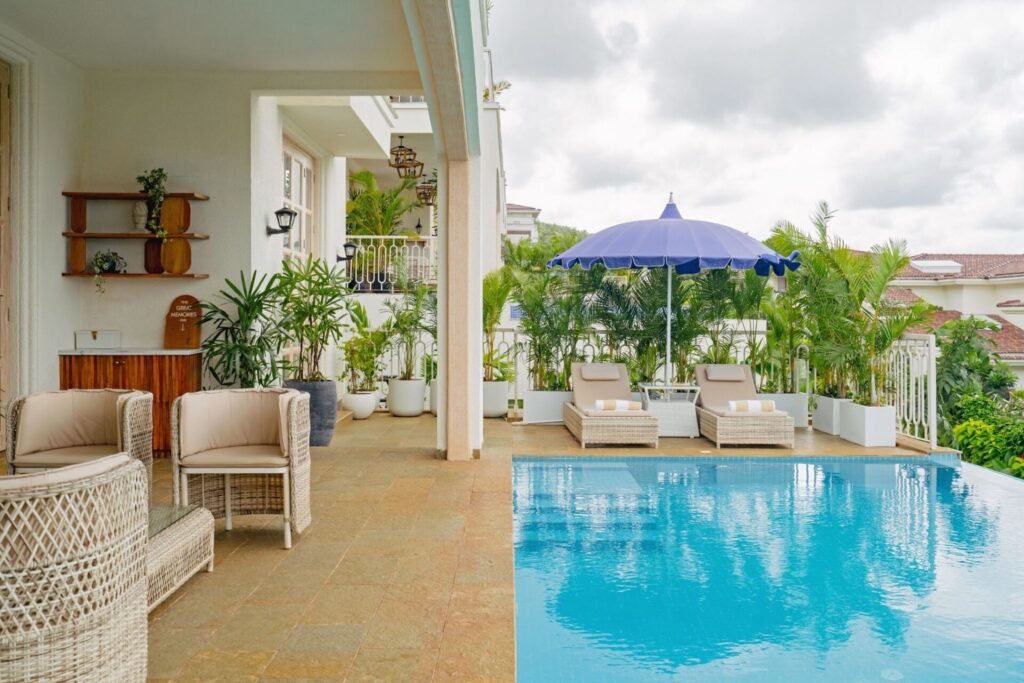
Location, accessibility, architecture, outdoor spaces, maintenance and professional management can all influence guest appeal. A well-designed home with dependable upkeep may be easier to position in the holiday rental market, although demand and earnings vary by season, property type and competition.
Before estimating rental income, account for management fees, cleaning, repairs, utilities, insurance, taxes, vacancy periods and periodic refurbishment. Gross booking revenue is not the same as net income, and no particular yield or appreciation is guaranteed.
Resale also depends on the quality of the property, clear documentation, the surrounding micro-market and the condition of the home. A distinctive design may strengthen a property’s appeal, but it cannot compensate for unresolved title issues or unrealistic pricing.
For a closer look at the locations attracting buyer interest, explore Isprava’s guide to luxury villas in North Goa.
Before offering a villa for short-term stays, verify the tourism registration, local permissions and other obligations applicable to the property and its operator. Requirements can vary and should be confirmed with the relevant authorities.
Plot vs Villa for NRIs
For NRIs, buying land in Goa involves additional legal and practical considerations. Under India’s foreign exchange regulations, NRIs and Overseas Citizens of India (OCIs) can generally purchase residential and commercial property, subject to applicable conditions, but agricultural land, plantation property and farmhouses are subject to restrictions. The legal classification of a plot therefore matters, even if the intention is to build a private holiday home.
Before transferring funds or signing an agreement, obtain advice on FEMA compliance, payment channels, registration, tax implications and the documentation required for the specific transaction. If a representative will act on your behalf, a power of attorney should be properly drafted and executed in accordance with the applicable requirements.
Construction adds another layer of coordination. Architects, contractors, local authorities, utility providers and suppliers may all require decisions or approvals while you are overseas. Remote supervision can make delays and quality checks harder to manage.
A completed villa, particularly one with established property management, can reduce these operational demands. It allows buyers to focus more on how they will use the home and less on the process of creating it. For tax and compliance considerations, read Isprava’s tax guide for NRIs.
Which Option Is Right for You?
The right choice depends on your priorities, availability and appetite for managing a project.
Buy a plot and build if:
- You want substantial control over the architecture, layout and finishes.
- You have the time and resources to coordinate the process.
- You can supervise construction directly or appoint a trusted project team.
- You have verified that the land is suitable for your intended development.
- You are comfortable with changing costs and construction timelines.
Buy a finished villa if:
- You want to see the completed home before making a decision.
- You live in Mumbai, Delhi, Bengaluru or overseas and prefer less site-level involvement.
- You value greater clarity on the purchase price and move-in timeline.
- You want to use the property sooner, or explore rental income without first managing construction.
- You prefer an established maintenance or property management arrangement.
Whichever route you choose, conduct independent legal and financial due diligence. The right property is one that fits your plans, not simply the one that appears cheaper at the outset.
How Isprava Bridges the Gap
For buyers who want a distinctive home without managing every stage of construction, Isprava brings together land selection, due diligence, design and construction within a coordinated process.
The aim is to combine the individuality of a bespoke home with the convenience of a more managed purchase. Design, materials, landscape and the relationship between indoor and outdoor spaces play a central role in creating a home that feels connected to its setting. As explored in our article on design is the ultimate marker of luxury, the details are what give a home its character.
Isprava’s portfolio includes Melora villas in Aldona and homes in other parts of Goa. Depending on the property and service arrangement, owners can also explore property management, concierge support and rental management.
For buyers, this offers a way to pursue a considered, fully furnished home while reducing the demands of coordinating a build independently.
FAQs
Is it cheaper to buy a plot and build a villa in Goa?
Not necessarily. Land may appear less expensive than a completed villa, but the total cost includes approvals, professional fees, construction, utilities, landscaping, furnishing and contingency. A finished villa may have a higher upfront price but offer greater cost visibility. Compare the complete cost of each option before deciding.
How long does it take to build a villa in Goa?
The timeline depends on land-use permissions, planning approvals, design complexity, contractor availability, weather and construction specifications. Land due diligence and approvals can add substantial time before work begins, while the monsoon may affect progress. Obtain a project-specific schedule from qualified local professionals rather than relying on a single standard estimate.
Can NRIs buy a plot in Goa?
NRIs can generally purchase residential plots and other permitted immovable property in India, subject to FEMA and other applicable rules. Agricultural land, plantation property and farmhouses are subject to restrictions. Confirm the land’s legal classification and obtain professional advice before signing or transferring funds.
What approvals are needed to build a house in Goa?
Depending on the property, requirements may include land-use or conversion permissions, planning approval, a building licence, applicable environmental or coastal clearances, and completion or occupancy documentation. The exact requirements depend on the land classification, location and proposed construction. Check with the relevant Goa planning authority and local body before purchasing.
Is a ready villa in Goa a good investment?
A ready villa can offer quicker personal use and potentially an earlier start to rental activity, provided the relevant requirements are met. Its investment performance depends on purchase price, location, rental demand, running costs, maintenance and resale conditions. Assess net income and long-term costs rather than relying on projected yields or appreciation alone.
Can I rent out my villa in Goa when I am not using it?
Potentially, yes. Before offering short-term stays, verify the applicable tourism registration, local permissions, occupancy requirements and other legal obligations. Rental demand varies with location, season, property features and management quality. Include cleaning, maintenance, management fees, taxes and vacancy periods when assessing the financial viability of holiday rentals.
Find Your Home in Goa
Whether you are considering a plot to build around your vision or a finished villa ready to become your own, the first step is understanding which option fits your plans.