

From riverside enclaves to green residential pockets, explore where premium villa living is taking shape across North Goa.
For years, the search for a second home began with a checklist: close to the beach, within easy reach of popular restaurants and social hubs. Today, luxury buyers are looking beyond the obvious. The focus is shifting toward smaller, more considered pockets of luxury living that offer the perfect balance of privacy, access, and everyday living. These emerging micro-markets are attracting HNIs, UHNIs, NRIs, and potential second-home buyers who are not simply looking for a weekend getaway but a home to be enjoyed over time.
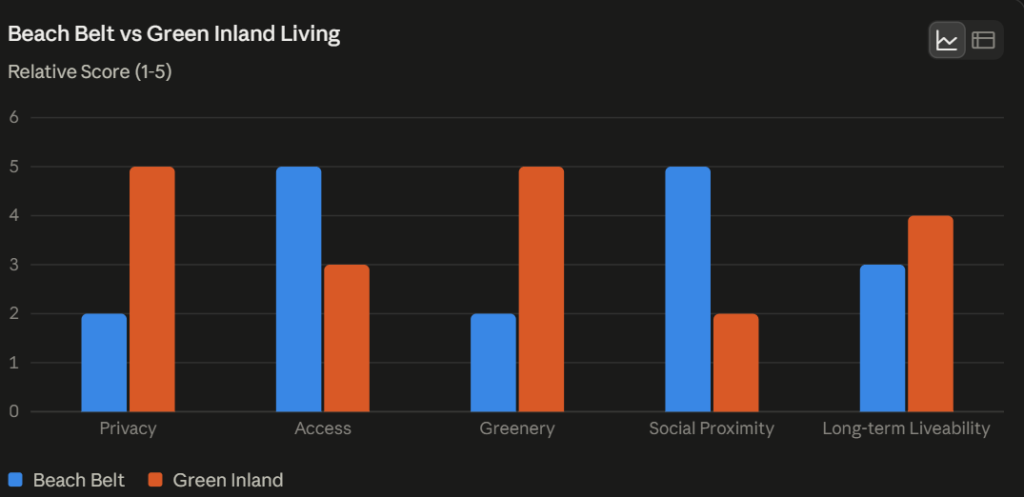
From heritage villages and green landscapes to riverside neighbourhoods. Luxury villas in North Goa are increasingly being defined by where and how they are spotted. Not just by proximity to the coast. This is why North Goa’s Micro-markets are becoming increasingly important. Rather than competing for the busiest beach-facing locations, many high-end villas in North Goa are moving to low-density pockets where land, greenery, and privacy can support a more complete way of living.
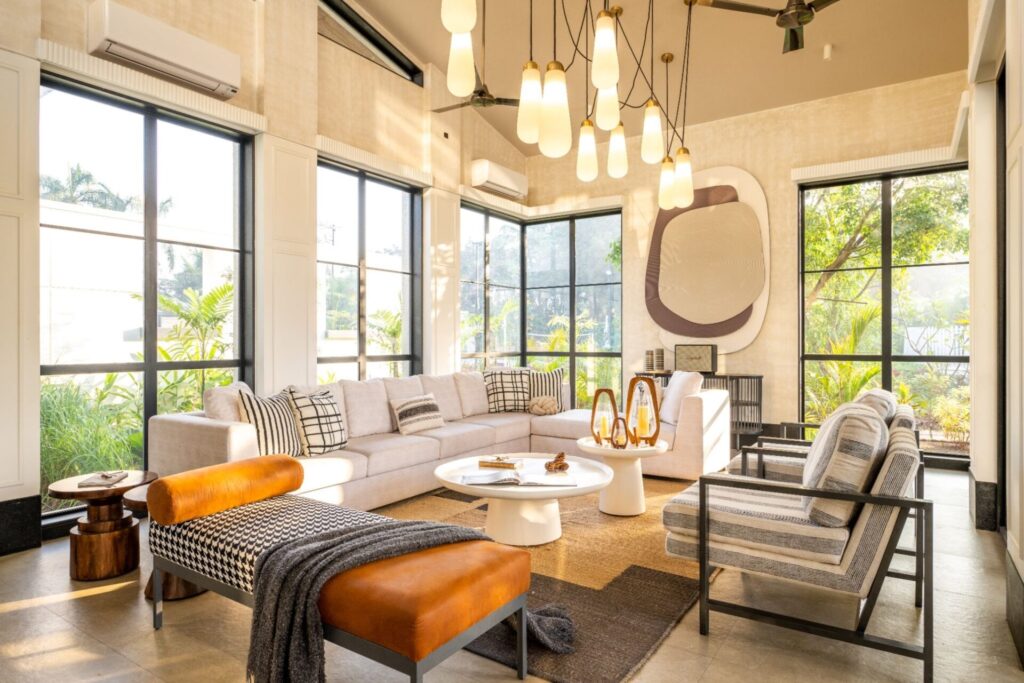
Why Micro-Markets Matter in Luxury Real Estate
A micro-market is more than just a location within a larger image. In luxury real estate, it is the difference between being close to a lifestyle and being a part of one. Buyers today are becoming more specific about what they wish from a location. One may wish for a tight-knit community, the second would want access to restaurants and cafes, and the third would wish to have closer proximity to schools and town infrastructure. A second-home buyer may prefer a quieter address with easy access to the coast.
This is why North Goa’s micro-markets are becoming increasingly important. Rather than competing for the busiest beach-facing locations, many high-end villas in North Goa are moving towards low-density pockets where land, greenery and privacy support a more complete way of living.
The result is a wider definition of luxury: not simply exclusivity, but the ability to choose the environment around your home.
The New Geography of Luxury Living
Assagao: Design, Culture and an Established Lifestyle
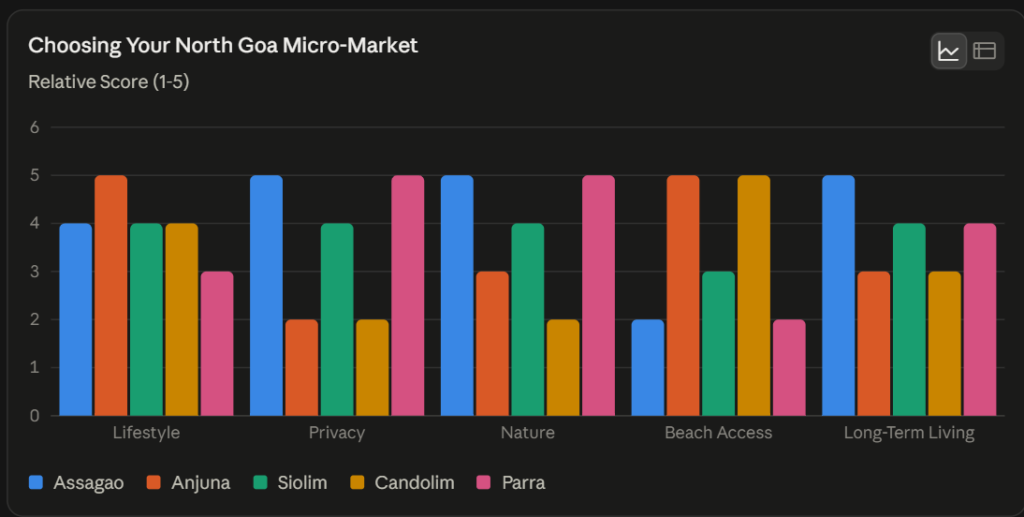
Assagao remains one of North Goa’s most recognised luxury addresses. Its appeal lies in the perfect mix of village character, Portuguese architecture, beach restaurants and a cultural community. The area has helped establish the idea that luxury in North Goa does not need to be directly open to the beach. Buyers are drawn to the local and social ecosystem. The surrounding greenery provides the homes with a sense of separation from the active coastal belt.
For those looking to buy a villa in North Goa, Assagao represents a more mature lifestyle market where location and cultural relevance remain central to value.
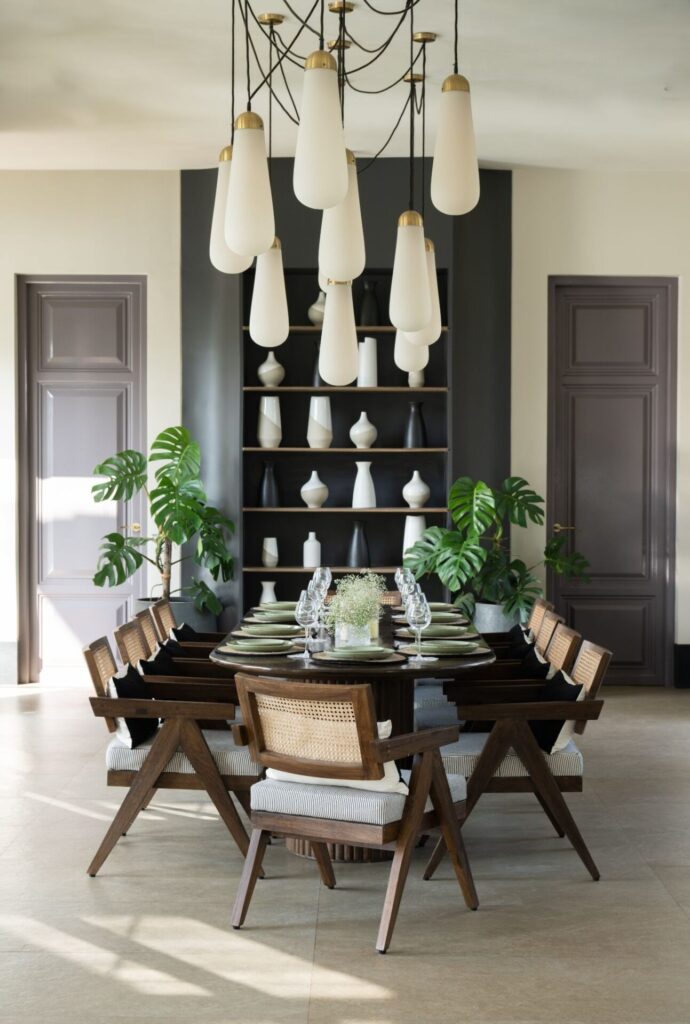
Siolim and Colvale: Green, Connected and Increasingly Residential
These areas appeal to buyers seeking more space, quieter surroundings and proximity to water and greenery without feeling disconnected from North Goa’s key destinations. Rivers, open landscapes and village routes create opportunities for homes designed around gardens, courtyards and private pools. Colvale is emerging as a compelling option for buyers who value peace but still want access to the North Goa lifestyle. And for long-term owners, these locations also raise an important consideration: convenience is not only about being close to the beach. It is about how easily a home works across different lengths of stay and seasons.
Parra, Pilerne and Corjuem: Privacy With a Stronger Sense of Place
The green residential belts of Parra and Pilerne offer proximity to established parts of North Goa while maintaining a more residential atmosphere. Corjuem meanwhile appeals to those further away from the activity of the beach belt. The village setting and scenic surroundings offer a stronger sense of privacy and place.
These micro-markets are particularly relevant for buyers who see their home as more than a holiday asset. A home designed for repeated, long-term use needs to offer comfort beyond the weekend. It needs practical access, privacy, outdoor space, and a location that continues to feel relevant after the novelty of the destination has passed.
Emerging Luxury Corridors Along the Coast and Water
Morjim and Mandrem: Beach Access With More Breathing Room
Morjim and Mandrem continue to attract buyers looking for private villas in North Goa with proximity to the coast and a less dense environment. These locations have developed their own identity around beach living, wellness, and a more varied lifestyle. For buyers, the appeal lies in access to the coast without necessarily being positioned in the centre of the busiest tourist zones.
Reis Magos and Nerul: A Scenic Riverside Alternative
The Mandovi-facing corridor around Reis Magos and Nerul offers another expression of luxury living. Here the appeal is shaped by water views, connectivity, and a more established environment. The locations are close to dining, hospitality and urban infrastructure while offering quieter pockets away from the most active parts of North Goa.
Arpora and the Established Beach Belt
Arpora remains relevant for buyers who want easy access to restaurants, entertainment and the wider beach belt. While these are more established markets, premium villa opportunities continue to emerge in quieter residential areas and gated communities. The key distinction is not whether a location is popular; it is whether the specific micro-location offers the right balance of access and privacy.
What Luxury Buyers Are Looking for Now
The growing interest in North Goa micro-markets reflects a broader shift in second home purchase. Buyers are increasingly questioning homes as complete ownership experiences. The question is no longer only about the home, but about the life it offers.
It is also:
- How does the location feel across different times of the year?
- Is there enough privacy without sacrificing convenience?
- Can the home support family visits and longer stays?
- How easily can the property be maintained when the owner is away?
- Does the design reflect personal preferences rather than a fixed template?
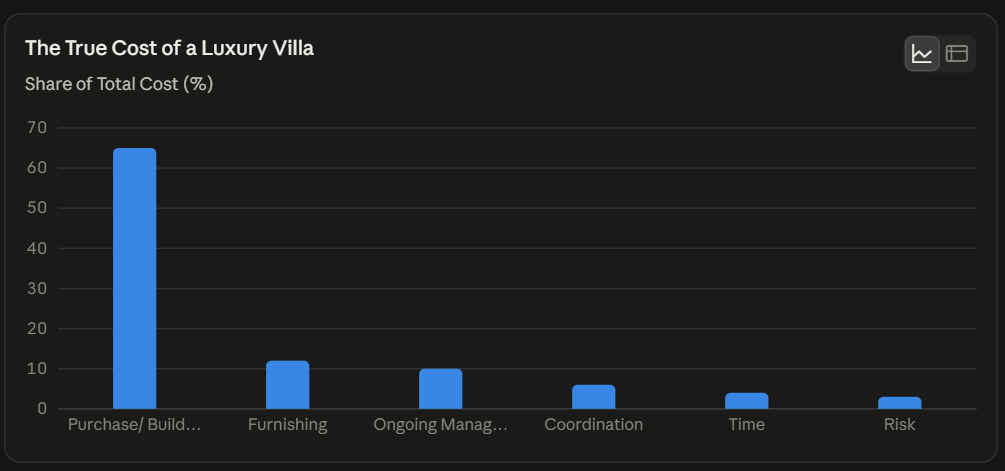
These considerations are particularly important when comparing a managed villa with the alternative of buying land and building independently. The headline cost of construction tells one part of the story. A self-built home involves multiple layers:
- Land acquisitions
- Permissions
- Consultants
- Contractor co-ordinator
- Construction timelines
- Furnishing and ongoing maintenance
The process also requires significant investment of time and decision-making. For many luxury buyers, the value of a professionally managed, turnkey home lies in reducing this complexity.
That does not mean every buyer should choose the same path. Some want to build from the ground up. Others value a more structured route to ownership. The important distinction is to compare the total ownership journey, not simply the initial price.
At Isprava, this means considering the home as a combination of location, design, customisation, and long-term support.
Design is becoming increasingly Personal
As North Goa’s Luxury market expands, buyers are becoming more discerning about what makes a home feel individual. A well-known design language can provide consistency; however, luxury ownership increasingly requires room for personal expression. The strongest homes balance a clear architectural point of view with the owner’s lifestyle. This may mean adapting layouts, material palettes, interior styles or the way outdoor spaces are used.
For buyers, customisation should therefore be part of the conversation early in the ownership journey. A villa is a significant investment; it becomes important to understand where personalisation is possible and how a developer’s design framework remains fixed. This is one of the reasons curated luxury homes offer an alternative to a completely self-built project; they help provide professional expertise and structure while still leaving room for a home to reflect the people in it.
The Investment Question: Look Beyond the Rental Yield
North Goa’s appeal as a second-home destination naturally makes rental potential part of the conversation. Affluent buyers should be cautious about evaluating a luxury home solely through short-term yield. Rental income can be one component of ownership. Location quality, property condition, maintenance standards, demand across seasons, and the ability to protect the home from wear and tear.
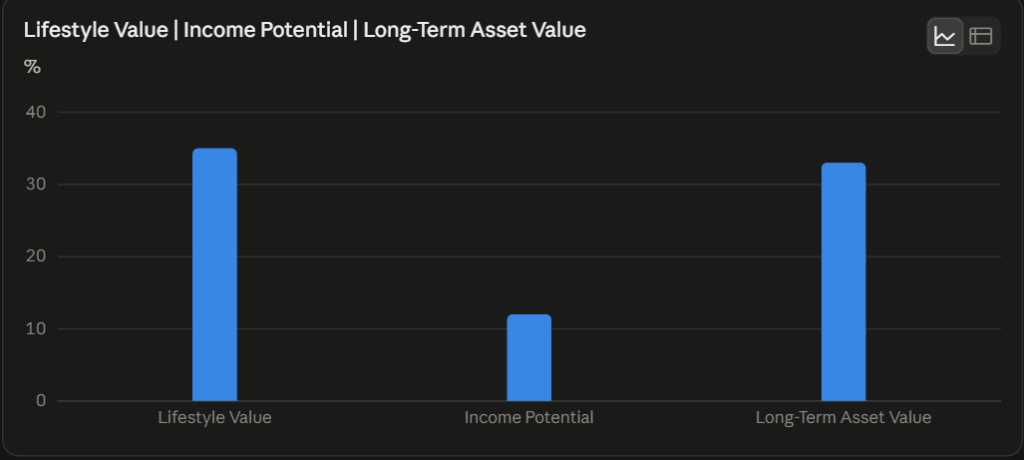
A better investment conversation looks at three things together:
- Lifestyle value: How often and how well the owner can use the home.
- Income potential: Whether the property can generate rental income when not in personal use.
- Long-term value: How the location, quality of construction, design, and ongoing upkeep support the asset over time.
And this is where the post-handover support becomes especially important. A beautiful villa can only stay that way with consistent property management and maintenance. For second-home owners living elsewhere, the service behind the home can be as valuable as the home itself.
The Future of Luxury Living in North Goa
North Goa is no longer a single luxury market; it is a collection of distinct micro-markets, each offering a different relationship with the landscape and the lifestyle around it.
- Assagao offers an established cultural ecosystem.
- Siolim and Colvale offer greenery and space.
- Morjim and Mandrem provide a slower coastal rhythm.
- Nerul and Reis Magos bring water and connectivity into the equation.
The future of North Goa luxury real estate lies in the details. In smaller neighbourhoods, in quieter roads and in the relationship between a home and the landscape around it. And increasingly, in the ownership experience that follows the purchase.
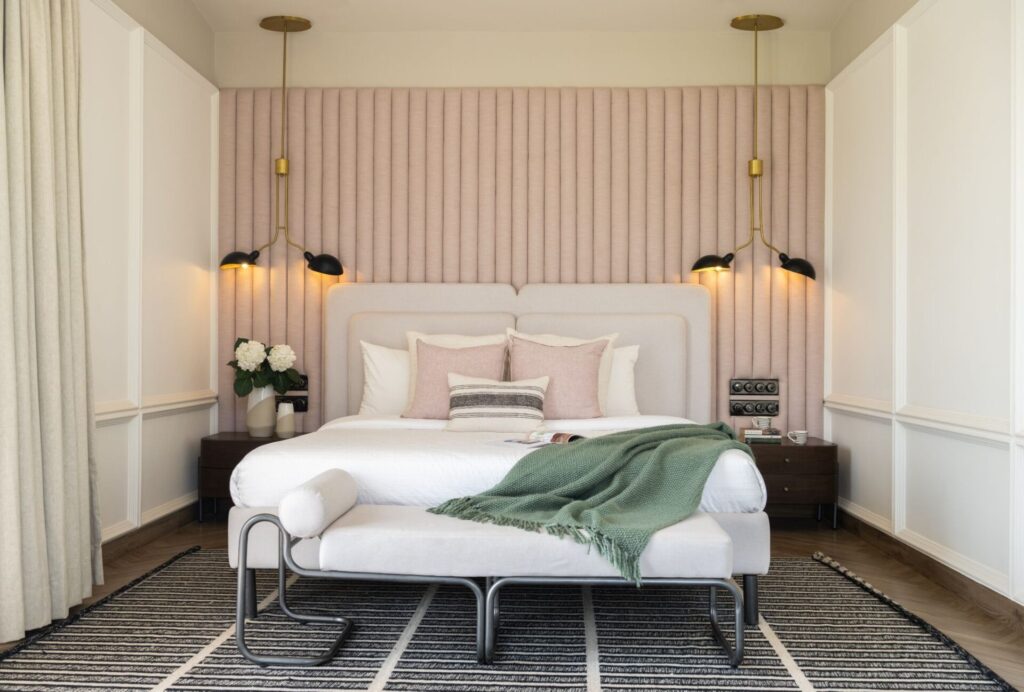
For buyers exploring luxury villas for sale in North Goa, the most important question may not be which location is the most popular. It may be which location – and which ownership model – will continue to make sense years after the purchase.
The strongest decisions are made when buyers understand the full picture: the location, the lifestyle, the level of personalisation, the long-term cost of ownership and the support required to sustain the home over time. Because private luxury is no longer defined simply by having more.
It is defined by choosing better.